
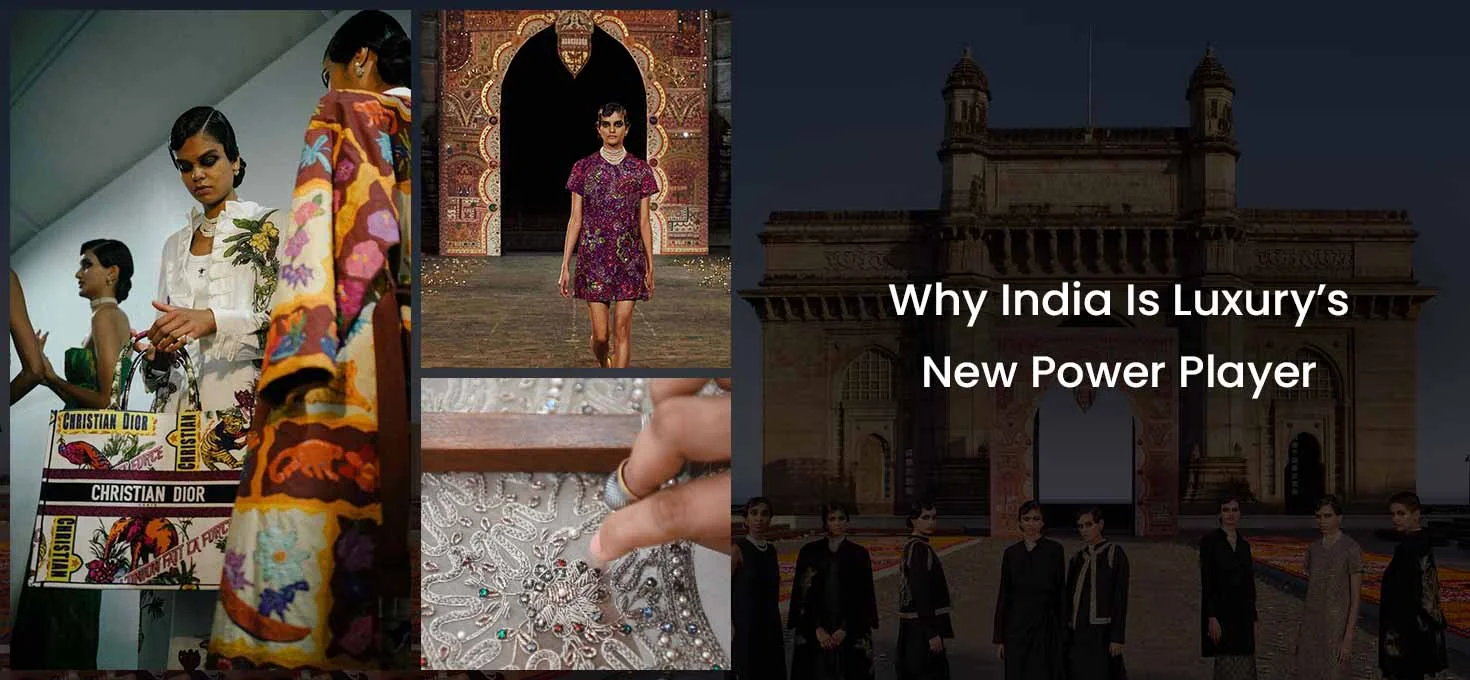
A booming economy, cultural influence, and confident consumers are making India luxury’s market one to watch out for.
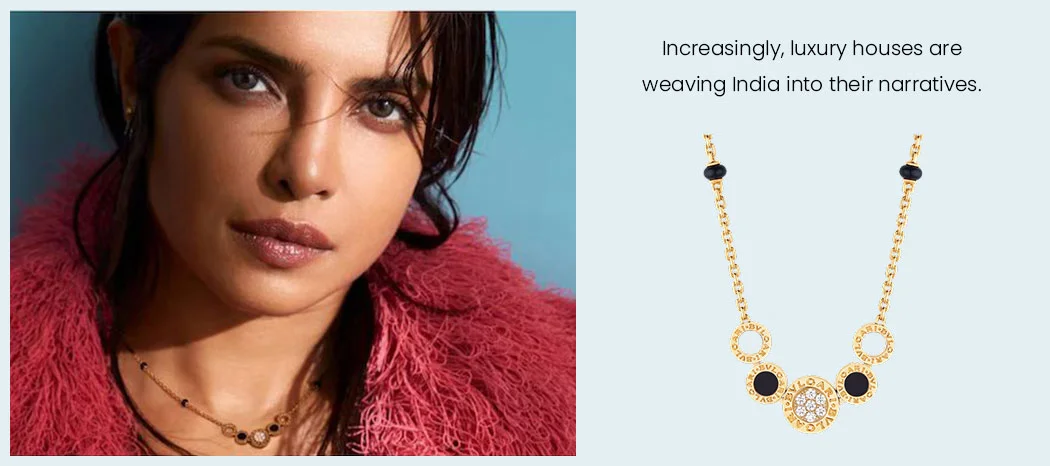
Earlier this month, Bvlgari announced it will bring its multi-sensory ‘Serpenti Infinito’ showcase to Mumbai’s Nita Mukesh Ambani Cultural Centre for the first time—following successful runs in Shanghai and Seoul. The Italian jeweller has long taken an India-forward approach: localised launches like the mangalsutra and kada, a Holi-themed dinner for Indian VIPs last year, and spotlighting creative director Lucia Silvestri’s gem-sourcing trips to Jaipur on social media. And of course, there’s the brand’s marquee move— Priyanka Chopra Jonas as an ambassador.
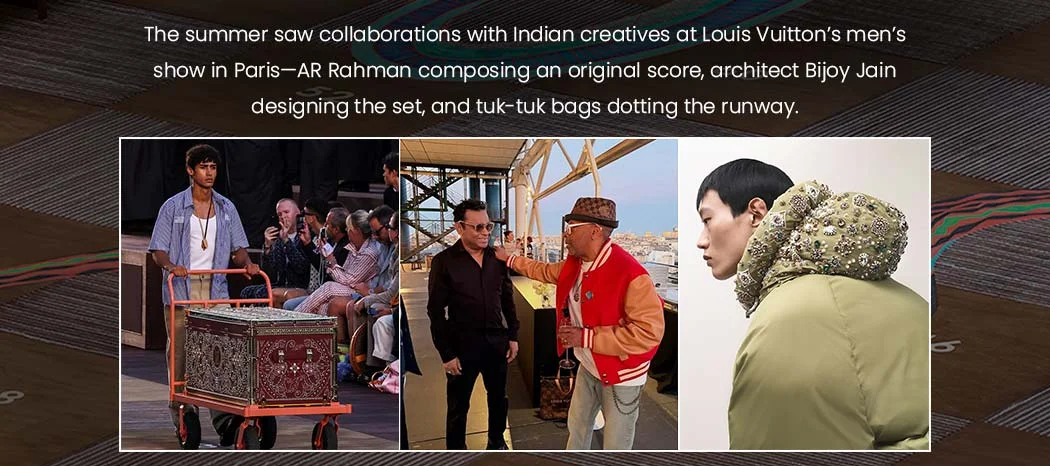
They’re hardly alone. Increasingly, luxury houses are weaving India into their narratives. Most recently, the appointments of ambassadors Ishaan Khatter for Boss and Ananya Panday for Chanel. The summer saw collaborations with Indian creatives at Louis Vuitton’s men’s show in Paris—AR Rahman composing an original score, architect Bijoy Jain designing the set, and tuk-tuk bags dotting the runway. India is not just influencing the mood board; it’s commanding centre stage.
Economics has a role to play here. As traditional luxury markets slow, India has emerged as the suitor brands can’t ignore. Luxury spending here is projected to more than triple by 2030, touching €25–30 billion ($27–32 billion), per Bain & Company. The Mercedes-Benz Hurun India Wealth Report 2025 further confirms it: the number of millionaires in India has jumped 90 per cent in just four years.
The India Pivot
The momentum is visible in the rapid entry of names from Balenciaga, Sandro and Maje to Parisian department store Galeries Lafayette. Or even Louis Vuitton’s men’s creative director Pharrell William’s visit, that inspired his collection. But India isn’t a copy-paste market—there’s no one-size-fits-all strategy that can work here the luxury consumer here is vastly different from its western counterparts. Brands Who rethink campaigns with a distinct local flavour will always have an advantage.
Dior’s 2023 show at Mumbai’s Gateway of India monument, in partnership with Chanakya School of Craft, was a watershed moment that put a spotlight on Indian craftsmanship, and duly crediting our ateliers as the backbone of luxury production for international Houses. Vivienne Westwood followed suit this year, showing archival pieces alongside khadi designs at the same iconic location.
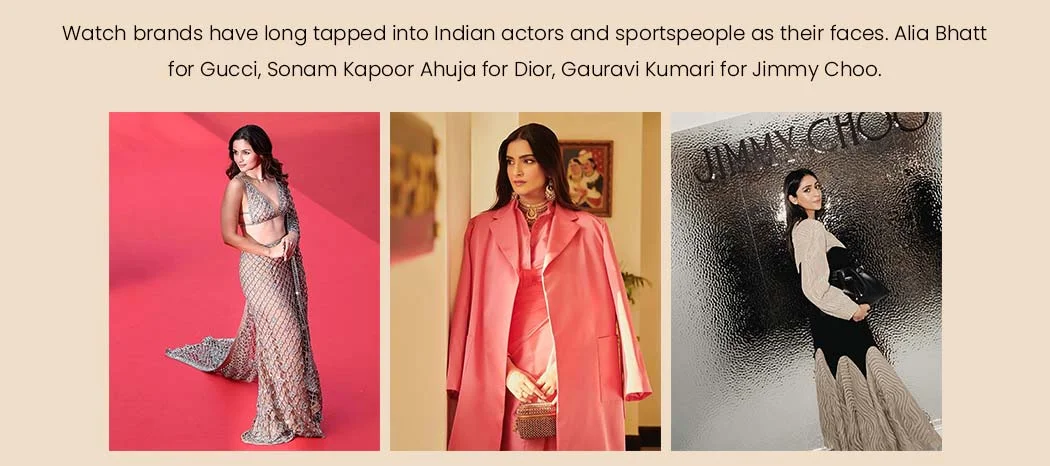
Still, the quickest route to Indian audiences seems to be Bollywood. Watch brands have long tapped into Indian actors and sportspeople as their faces—Ranveer Singh for Franck Muller, Rohit Sharma for Hublot, Shah Rukh for TAG Heuer and Deepika Padukone for Cartier. In fashion, Louis Vuitton was early to the game, enlisting Deepika Padukone as ambassador in 2022. Others soon followed—Alia Bhatt for Gucci, Sonam Kapoor Ahuja for Dior, Gauravi Kumari for Jimmy Choo. Even without retail presence in India yet, Miu Miu has been building Janhvi Kapoor into a muse, even designing a sari-inspired gown for her TIFF red carpet. Kapoor also wore a ‘wet look’ sari at the Cannes Film Festival, custom-made by British-Greek brand Di Petsa. But the most popular hybrid sari on an international red carpet in recent times? Alia Bhatt’s bespoke Gucci at the Cannes Film Festival—an EMV-generating juggernaut worth $12.6 million that cemented the hybrid sari’s global fashion moment, and made the Italian brand a top social media performer at the event.
Saying ‘I do’
Beyond celebrities, weddings remain India’s most powerful luxury engine. At $130 billion, the industry is nearly double the size of America’s, according to investment firm Jefferies. They also found that the average Indian couple spends twice as much on weddings as they do on education.
No wonder brands are eager to get in on the action. Canali spotted the opportunity as far back as 2009 with its Nawab bandhgala. Valentino created its first (and only) lehenga for Isha Ambani in 2018. Atelier Versace took the plunge with a lehenga for influencer Sonam Babani’s wedding in 2022. The Ambani-Merchant wedding last year was a pivotal moment. Cases in point: everything from Radhika Merchant’s Dolce & Gabbana x Anamika Khanna look to Isha Ambani’s Schiaparelli sari.
But beyond one-off couture, real traction comes from localised product drops. Gucci and Jimmy Choo have often released special India-only accessory collections around Diwali. Ahead of this wedding season, Louis Vuitton debuted its LV Wedding Caravan in India, complete with a Pharrell-designed India-inspired trunk. Elie Saab wooed brides through a Vogue Wedding Atelier partnership this year. Collaborations with Indian designers, too, are gaining ground. Such as the Hublot x Kapoor Watch Company limited-edition watch for India, limited to just 30 pieces. Or Tod’s with Rahul Mishra, and Rene Caovilla with Gaurav Gupta. Even British perfumer Jo Malone has tied up with Arpita Mehta on a festive gifting collaboration this season.
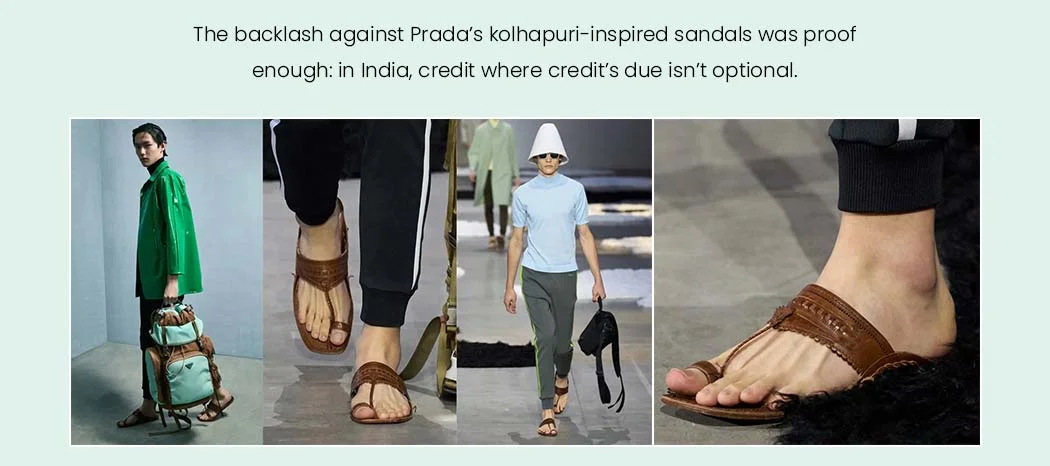
As Indian consumers grow more discerning and confident of their place on the global stage, brands must tread carefully. Inspiration is welcome—but appropriation isn’t. The backlash against Prada’s kolhapuri-inspired sandals was proof enough: in India, credit where credit’s due isn’t optional.
And one thing is clear,: India is no longer a market to be courted., Iit truly is a market shaping the future of global luxury.

Recent Posts
Recent Comments
Archives