
Mechanical watches are marvels of craftsmanship, blending intricate engineering with timeless elegance. At the heart of their operation lies watch winding, a ritual that keeps these timepieces ticking with precision. Whether you own a manual winding watch or an automatic winding watch, understanding how to wind and care for your watch is essential to preserving its longevity and performance. This watch servicing blog delves into the intricacies of mechanical watches, providing detailed steps, precautions, and storage tips, with insights from the experts.
Manual vs. Automatic Winding Watches

Both manual and automatic watches are powered by a mainspring, a coiled spring that stores energy to drive the watch’s movement. However, the way this energy is transferred differs significantly.
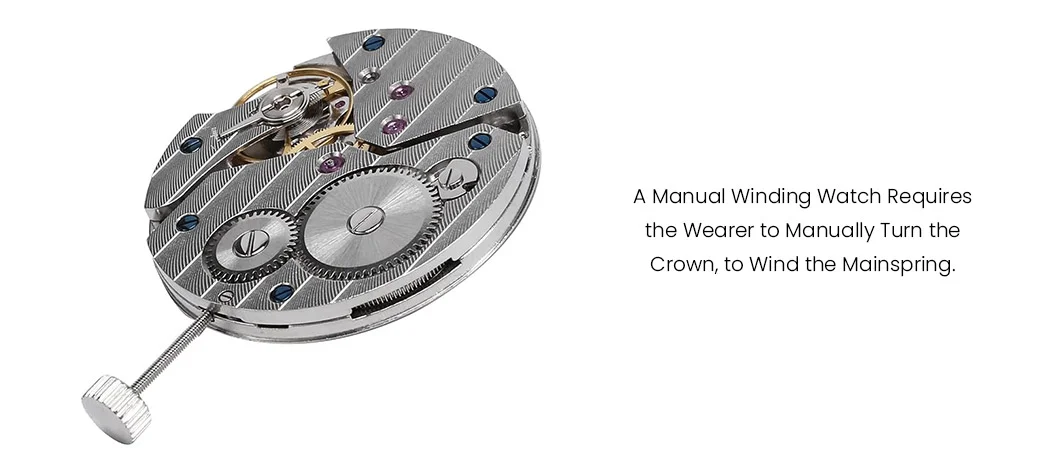
A manual winding watch requires the wearer to manually turn the crown, a small knob on the side of the watch case, to wind the mainspring. This hands-on process is a cherished ritual for watch enthusiasts, offering a tactile connection to the timepiece. In contrast, an automatic winding watch harnesses the natural motion of the wearer’s wrist to wind the mainspring. A rotor, a semi-circular piece of metal inside the watch, swings with wrist movement, transferring energy to the mainspring.
This makes automatic winding watches highly convenient for daily wear, as they require less manual intervention. However, most automatic watches also feature a crown for manual winding, allowing you to kickstart the watch if it has stopped.
Although both types of watches share the same mechanical heart, the choice between a manual winding watch and an automatic winding watch often comes down to lifestyle and personal preference.
How to Wind a Mechanical Watch: Step-by-Step Guide
Proper watch winding is an essential part of keeping and maintaining a watch. While winding your watch is safe, if done correctly, you should always seek expert advice for proper care, or visit an authorised watch service center like Kapoor Time Crafter in case you experience anything unusual in your watch, like a tight or jammed winding crown.
Here’s how to wind your mechanical watch properly, whether it’s a manual winding watch or an automatic winding watch, to ensure optimal performance.
Winding the watch while worn can stress the crown and movement; remove it beforehand to maintain safety of the delicate parts of the watch.
For a Manual Winding Watch:
- Locate the Crown: Find the crown on the side of your watch.
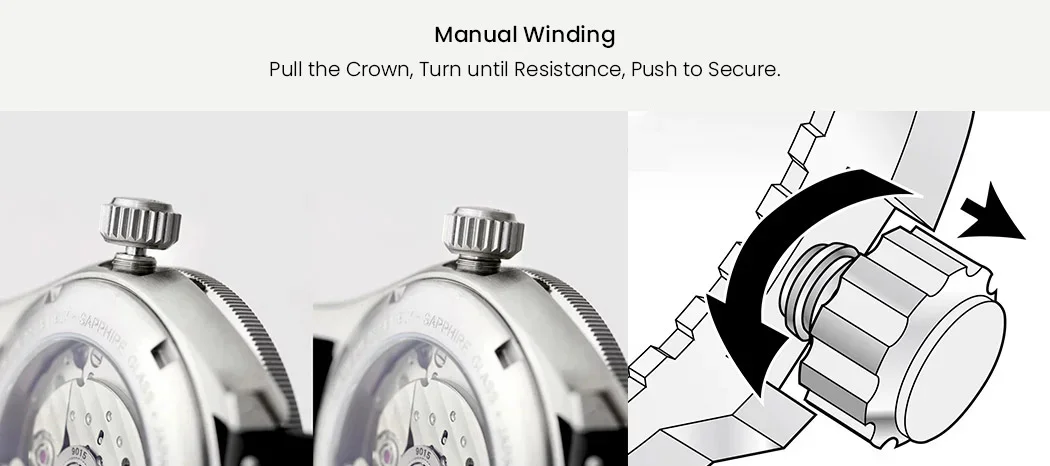
- Pull Out the Crown: Watches, usually, require the crown to be pulled out to the winding position. Check your watch’s manual for specific instructions.
- Turn the Crown Clockwise: Gently rotate the crown clockwise in smooth, even motions. You’ll feel slight resistance as the mainspring tightens. Typically, 20–30 turns are sufficient for most manual winding watches, however, it is recommended to refer to the user manual for your watch or speak to the professionals at an authorised watch service center.
- Stop When You Feel Resistance: Once the mainspring is fully wound, you’ll notice increased resistance. Stop winding to avoid over-winding, which can damage the movement.
- Push the Crown Back: Return the crown to its original position, ensuring it’s secure to maintain water resistance.
- Feel the Crown: Be mindful of how the crown feels during winding—any uneven resistance or gritty sensation could signal the need for servicing.
For an Automatic Winding Watch:
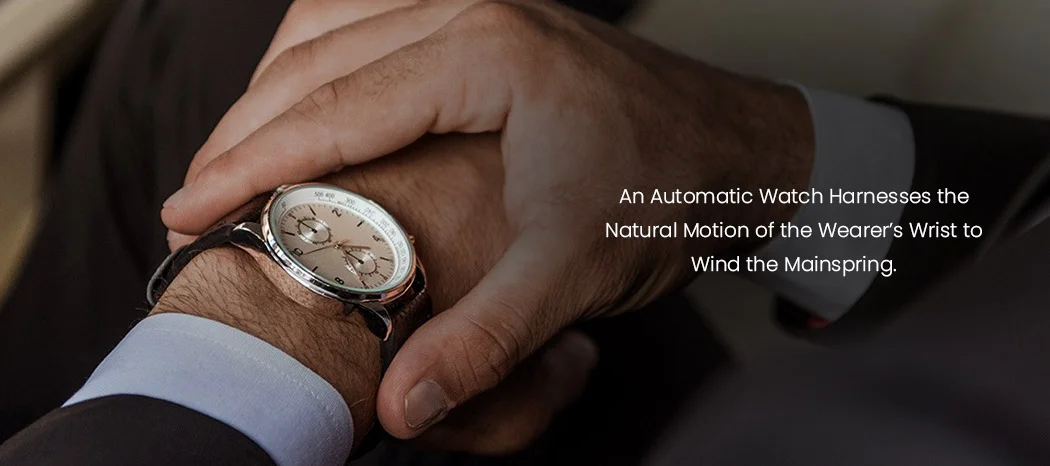
While automatic watches wind themselves through regular wrist movement, they may stop if left idle for too long — in such cases, a gentle manual winding is needed to get them running again.
- Check the Power Reserve: If your automatic winding watch has stopped, you will need to wind it manually to restart it. After winding, it’s recommended to let the watch rest briefly before wearing it — this allows the movement to stabilize before the rotor begins responding to your wrist’s motion. Refer to your watch’s user manual or visit an authorised watch service center like Kapoor Time Crafter for advice.
- Locate and Turn the Crown: Rotate the crown clockwise 20–30 times to manually wind the mainspring. Unlike manual watches, automatic watches often have a slipping clutch to prevent over-winding.
- Wear the Watch: Once started, it is recommended to let the watch rest for a short period before wearing it, this ensures stabilising the power released. And then, the rotor in your automatic winding watch will take over, winding the mainspring as you move your wrist throughout the day.
- Use a Watch Winder (Optional): If you don’t wear your automatic watch daily, a watch winder can keep it running by simulating wrist movement.
When to Wind Your Mechanical Watch
Timing is critical when it comes to watch winding. For a manual winding watch, winding it daily, ideally at the same time each day, such as in the morning is advisable. This ensures consistent power delivery to the movement, maintaining accuracy.
For an automatic winding watch, winding is only necessary if the watch has stopped or hasn’t been worn for a while. If you wear your automatic watch daily, the rotor should provide sufficient energy to keep it running. However, if the watch has been idle for more than its power reserve duration, manually wind it using the crown to restart it. Regular wear or the use of a watch winder can eliminate the need for frequent manual winding. If you notice a decline in power reserve, seek expert guidance from Kapoor Time Crafter, an authorised service center.
Using an Automatic Watch Winder
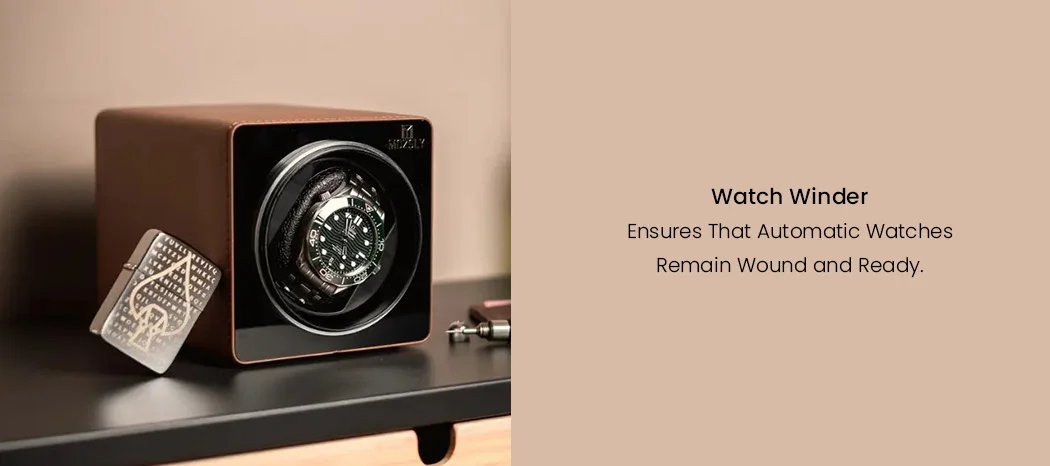
An automatic watch winder is a valuable accessory for owners of automatic winding watches, especially those with multiple timepieces or irregular wear schedules. This device mimics the natural motion of the wrist, keeping your automatic winding watch running smoothly when not in use. By rotating the watch in a controlled manner, the winder ensures the rotor inside the watch continues to wind the mainspring, maintaining the power reserve and preventing the lubricants in the movement from settling. Using a winder not only adds convenience but also reduces wear on the movement by minimizing the need for manual watch winding, ensuring your timepiece remains ready to wear at a moment’s notice.
Precautions While Winding a Mechanical Watch
While watch winding is straightforward, taking precautions can prevent damage to your timepiece:
- Avoid Over-Winding: Stop winding when you feel resistance, especially with a manual winding watch. Over-winding can strain the mainspring or other components.
- Wind Off the Wrist: Remove the watch before winding to avoid applying excessive force, which could misalign the crown or damage the movement.
- Keep the Crown Secure: Ensure the crown is pushed back or screwed down (for screw-down crowns) after winding to maintain water resistance.
- Clean Hands: Handle your watch with clean, dry hands to prevent dirt or moisture from entering the case during watch winding.
- Avoid Winding When Wet: Never wind a watch that’s wet, as water could seep into the movement, causing rust or corrosion.
By following these precautions, you can ensure your luxury watch remains in pristine condition.
Storing Mechanical Watches When Not in Use
When your mechanical watch isn’t being worn, proper storage is essential to maintain its condition. Here are some tips for storing both manual winding watches and automatic winding watches:
- Use a Watch Box: Store your watch in a padded watch box or case to protect it from dust, scratches, and impacts.
- Keep Away from Magnets: Avoid storing your watch near magnetic fields, such as those from electronics, which can disrupt the movement’s accuracy.
- Maintain a Stable Environment: Store your watch in a cool, dry place away from direct sunlight or extreme humidity, which can damage the movement or strap.
- Use a Watch Winder for Automatic Watches: If you own multiple automatic winding watches, a watch winder can keep them running, reducing wear on the movement when you restart them.
- Let Manual Watches Run Down: For a manual winding watch, allow it to stop naturally when not in use. This prevents unnecessary strain on the mainspring during long periods of inactivity.
When Should You Visit a Service Center
To keep your luxury watch in pristine condition, it’s always advisable to take it to an authorized service center for periodic maintenance as recommended by the brand. Stay alert for any unusual behavior in your watch’s performance and consult experts promptly. Visit an authorized service center, such as Kapoor Time Crafter, if you notice issues like the crown making an abnormal noise, which could indicate corrosion. Avoid attempting to oil the crown yourself in such cases. If the crown feels jammed or unusually tight, it may be due to over-winding, which can damage the movement or mainspring. Contact your service center immediately.
Additionally, be cautious of the following issues and seek professional help at an authorized service center if you observe any of these:
- Decline in Power Reserve: A reduced power reserve indicates internal issues. Let professionals diagnose and resolve it.
- Erratic Timekeeping: Inconsistent timekeeping could result from a movement issue or magnetization. Experts can stabilize and repair the movement.
- Physical Damage: Damaged parts, such as the case or crystal, should be replaced with genuine brand components by professionals.
- Moisture Ingress: Moisture inside the watch can cause corrosion. Do not force the crown or any jammed parts, and avoid lubricating them yourself. Authorised technicians have the expertise and tools to handle this.
A luxury watch is a unique blend of art and technology, with intricate architecture specific to each model. For any maintenance or damage-related concerns, always consult professionals at an authorized service center like Kapoor Time Crafter to ensure your timepiece remains in optimal condition.
Kapoor Time Crafter
Whether you cherish a manual winding watch or rely on the convenience of an automatic winding watch, regular maintenance is crucial. Over time, the lubricants in the movement can degrade, and dust or moisture may accumulate, affecting performance. This is where a trusted watch service center comes in.
Kapoor Time Crafter is an authorised watch service center for 24 iconic luxury watch brands including Rolex, Breitling, Bvlgari, Cartier, Chopard, Franck Muller, Hublot, IWC, Longines, Omega, Rado, TAG Heuer, Tissot, Seven Friday, Tudor, and many more. With expertise and legacy of more than five decades, we ensure every watch receives the care and craftsmanship it deserves.
During servicing, our certified technicians meticulously disassemble, clean, lubricate, and reassemble the movement, restoring your timepiece to peak performance. Worn components are identified and replaced where necessary, enhancing accuracy and extending the life of your watch — a worthy investment that can be passed down for generations. Our trained technicians provide expert services such as complete movement overhauls, ultrasonic cleaning, component replacement, and precision winder testing, all performed to exacting brand standards.
Visit our upgraded service center, which has now relocated to D-10, Second Floor, South Extension II, Block D, New Delhi, Delhi 110049, offers a more spacious layout, a dedicated service room for Rolex, expanded capabilities, and an enhanced customer experience.
Frequently Asked Questions
What is the difference between a manual and an automatic winding watch?
A manual winding watch requires manual winding via the crown to power the mainspring, while an automatic winding watch uses a rotor driven by wrist movement, with manual winding as an option.
How do I wind a mechanical watch?
For a manual winding watch, gently turn the crown clockwise until resistance; for an automatic winding watch, wind a few times manually, then wear it or use a winder. Consult Kapoor Time Crafter for specific guidance.
How do I wind an automatic winding watch?
In a regular wear an automatic winding watch is wound by wrist movements, however, if you have not worn the watch for a while and it has stopped, manually wind an automatic watch by rotating the crown clockwise a few times, then wear it daily or use a watch winder to maintain power via the rotor.
When should I wind my automatic winding watch?
Wind an automatic watch manually if it stops or hasn’t been worn beyond its power reserve; daily wear or a winder keeps it running.
Can I overwind an automatic watch?
Most automatic winding watches have a clutch to prevent over-winding, but excessive manual watch winding should be avoided. Contact a watch service center like Kapoor Time Crafter if issues occur.
How do I wind a manual winding watch?
Gently turn the crown clockwise 20–30 times off-wrist until resistance is felt, ensuring smooth watch winding to avoid strain.
How often should I wind my manual winding watch?
Wind your manual winding watch daily at the same time to ensure consistent power and accuracy.
Can I overwind a manual watch?
Yes, however, over-winding a manual winding watch can harm the mainspring or movement. Stop at resistance and consult a watch service center like Kapoor Time Crafter if problems arise.
What are the general tips for both automatic and manual winding watches?
Store watches in a padded box away from magnets, clean with a soft cloth, and service every 3–5 years at a watch service center like Kapoor Time Crafter to maintain longevity.



Recent Posts
Recent Comments
Archives